Ask about our 10% Discount for 2026!
Why Outdoor Landscape Lighting Is the Smartest Upgrade for Your Home in 2025
An informative guide to residential landscape lighting, covering pathway, accent, and uplighting for safer, more functional outdoor spaces.
GlowPath Lighting
1/3/20262 min read
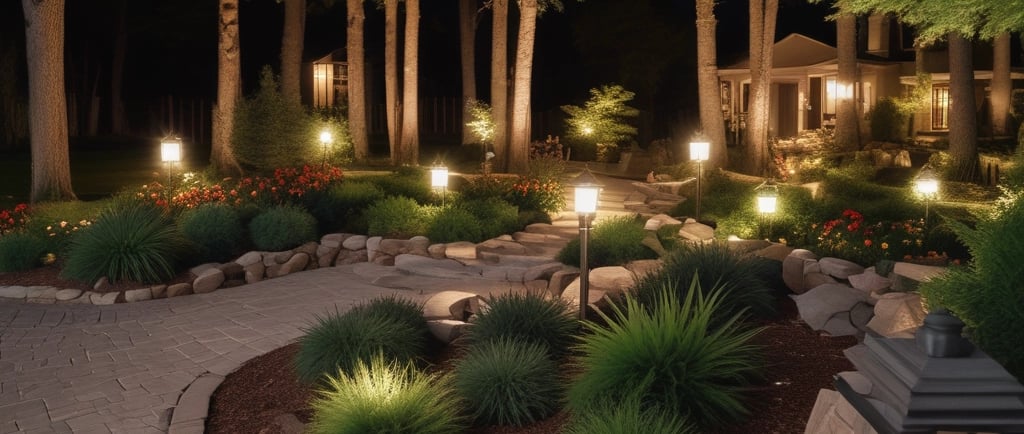
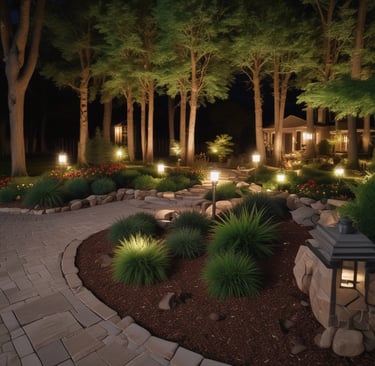
Outdoor landscape lighting is often thought of as a decorative extra, but in reality it plays a much larger role in how a home functions, feels, and is used after dark. Thoughtful lighting improves safety, highlights architectural features, and makes outdoor spaces more usable year-round.
This guide explains what landscape lighting actually does, the most common types of lighting, and what homeowners should consider when planning a system.
Why Landscape Lighting Matters
A well-designed lighting plan supports three core goals:
Safety – Illuminating walkways, steps, and elevation changes reduces the risk of trips and falls, especially for guests and children.
Functionality – Lighting extends the usability of outdoor spaces, making patios, walkways, and driveways practical well into the evening.
Aesthetics – Properly placed lighting adds depth and dimension, allowing architectural details and landscaping to be appreciated after sunset.
Rather than flooding a yard with brightness, effective landscape lighting uses layered, intentional light to guide the eye and create balance.
Common Types of Landscape Lighting
Pathway Lighting
Path lights are designed to softly illuminate walkways, driveways, and entry paths. Their primary role is visibility, but they also help define the layout of a property after dark.
Key considerations:
Even spacing for consistent illumination
Shielded fixtures to reduce glare
Warm color temperatures for a natural look
Architectural & Accent Lighting
Accent lighting highlights features such as:
Home facades
Columns and entryways
Stonework or textured siding
This type of lighting adds depth and visual interest without overpowering the home. When done correctly, it enhances architectural details rather than distracting from them.
Uplighting for Trees and Landscaping
Uplighting is commonly used on mature trees, ornamental landscaping, and focal plants. Light is directed upward to showcase structure, height, and natural movement.
Benefits include:
Adding dimension to flat or dark yards
Creating visual anchors in large spaces
Highlighting landscaping investments
Driveway and Perimeter Lighting
Low-level driveway lighting improves nighttime visibility while maintaining a subtle appearance. Perimeter lighting can also help define property boundaries and support overall site awareness without feeling harsh or intrusive.
Design Over Brightness
One of the most common misconceptions about outdoor lighting is that brighter is better. In practice, excessive brightness:
Creates glare
Washes out architectural detail
Can feel uncomfortable or uninviting
Professional lighting design focuses on contrast, direction, and balance, using multiple fixture types at lower output to create a cohesive result.
Energy Efficiency and Modern Systems
Today’s landscape lighting systems are typically LED-based, offering:
Long fixture life
Low energy consumption
Minimal maintenance
Many systems also allow for future expansion, making it easy to start with a few fixtures and add more over time as needs evolve.
Planning a Landscape Lighting Project
Before installing lighting, homeowners should consider:
How the home is used after dark
Areas where safety is most important
Architectural features worth highlighting
Long-term flexibility and maintenance
A good lighting plan adapts to the home rather than forcing a one-size-fits-all approach.
Final Thoughts
Landscape lighting is both practical and aesthetic. When thoughtfully designed, it enhances safety, improves functionality, and allows homeowners to enjoy their property in new ways after sunset.
The most effective systems are simple, balanced, and designed with intention.
Contact
Follow
Support
GlowPathLighting@gmail.com
(502) 807-9194
© 2025. All rights reserved.