Ask about our 10% Discount for 2026!
How Much Landscape Lighting Do You Actually Need? A Practical Guide for Homeowners
A practical guide for homeowners on how much landscape lighting is actually needed — focusing on safety, balance, and thoughtful design rather than brightness or fixture count.
1/12/20262 min read
One of the most common questions homeowners ask when exploring outdoor lighting is simple:
“How much lighting do I actually need?”
It’s a fair question. Too little lighting can leave areas dark and unsafe. Too much lighting can feel harsh, overwhelming, or unnecessary. The goal isn’t brightness — it’s balance.
This guide explains how to think about landscape lighting in practical terms, so you can plan a system that fits your home, your budget, and how you actually use your space.
There’s No One-Size-Fits-All Answer
Landscape lighting isn’t measured by square footage the way flooring or paint is. Instead, it’s based on:
How people move around the property
Where safety matters most
Which features are worth highlighting
How the home is used after dark
Most well-designed lighting systems start small and focus on purposeful placement, not quantity.
Start With the Most Important Areas
If you’re unsure where to begin, these are typically the highest-priority zones:
1. Entryways
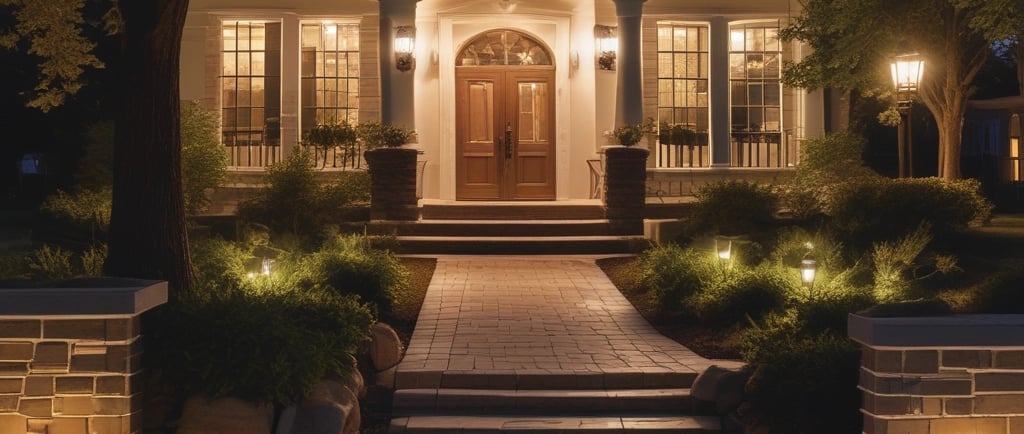
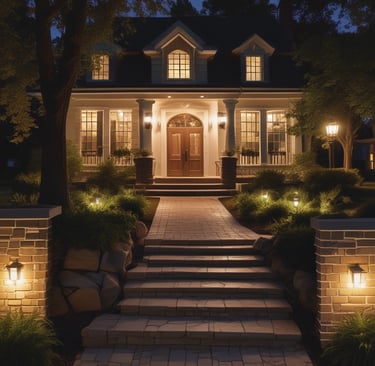
Front doors, side doors, and garage entries are often the first place lighting is added. These areas benefit from:
Clear visibility
Soft accent lighting
A welcoming feel for guests
2. Walkways and Steps
Paths, sidewalks, and steps should be easy to navigate at night. Pathway lighting is usually spaced to create overlapping pools of light rather than bright points.
The goal is guidance, not spotlighting.
3. Driveways
Driveway lighting improves orientation and visibility without drawing attention away from the home. Subtle, low-level lighting typically works best here.
Think in “Layers,” Not Fixtures
A helpful way to think about lighting is in layers rather than counts.
A balanced system often includes:
Functional lighting (paths, steps, entries)
Accent lighting (architectural features, focal points)
Landscape lighting (trees, plantings, depth)
Not every home needs all three — but understanding the layers helps avoid over-lighting one area while neglecting another.
How Budget Influences Lighting Design
Lighting systems don’t have to be installed all at once. Many homeowners choose to:
Start with key areas
Add fixtures over time
Expand the system as needs change
This approach allows lighting to grow naturally with the home while keeping initial costs manageable.
Common Signs You May Have Too Much (or Too Little) Lighting
You may have too much lighting if:
The yard feels brighter than the home
Lights create glare or harsh shadows
Fixtures draw attention to themselves instead of the space
You may have too little lighting if:
Walkways feel unsafe
Guests hesitate moving around at night
Outdoor spaces go unused after sunset
Well-designed lighting should feel almost unnoticeable — until you turn it off.
Quality Matters More Than Quantity
A small number of well-placed fixtures will almost always outperform a large number of poorly placed ones.
Factors that matter more than fixture count:
Placement and direction
Color temperature
Beam spread
Integration with the home’s architecture
A Practical Way to Think About “Enough”
A good lighting plan answers three questions:
Can people move safely around the property at night?
Does the home feel welcoming and balanced after dark?
Are key features visible without overpowering the space?
If the answer to all three is yes, you likely have enough lighting.
Final Thoughts
Landscape lighting works best when it’s intentional, flexible, and designed around how a home is actually used
You don’t need to light everything — just the right things.
About GlowPath Lighting
GlowPath Lighting designs and installs residential landscape lighting systems throughout Louisville, Frankfort, and surrounding Kentucky communities. Our focus is thoughtful design, clear communication, and lighting plans that align with each homeowner’s needs and budget.
Contact
Follow
Support
GlowPathLighting@gmail.com
(502) 807-9194
© 2025. All rights reserved.